

How Long Does Water Damage Restoration Take?
July 6, 2026
What to Do After a Water Leak in Your Denver Home
August 20, 2026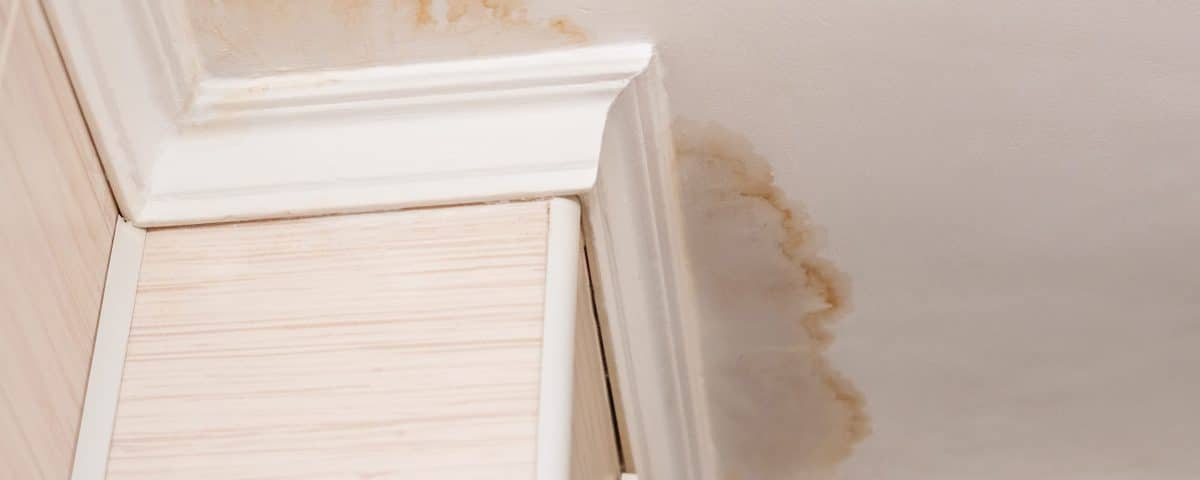
Water damage is not always easy to spot. A ceiling stain may appear minor while moisture continues spreading behind drywall, beneath flooring or inside insulation. Without a complete assessment, homeowners may repair the visible damage but miss the source, leading to mold, structural deterioration and repeated problems. Affordable Water Damage Cleanup provides thorough evaluations for property owners in Centennial and Denver, Colorado, helping them understand the full extent of the damage before restoration begins.
The inspection begins by identifying the source of the water.
Before technicians can recommend repairs, they must locate the source of the water. The cause may be obvious, such as a burst pipe or overflowing appliance, but slow leaks can remain hidden for weeks or months. Obvious rapid leaks will require an emergency plumbing specialist while slow leaks can be addressed during the water damage inspection.
During the initial walkthrough, the inspector may check:
- Plumbing fixtures: Sinks, toilets, tubs and supply lines may leak around seals or connections.
- Appliances: Dishwashers, washing machines and water heaters can release water beneath flooring or into nearby walls.
- Roofing and windows: Damaged shingles, flashing or window seals may allow rainwater to enter.
- Foundation areas: Cracks, poor drainage or groundwater can introduce moisture into basements and crawl spaces.
Identifying and stopping the source prevents additional damage. A water damage inspection cannot provide lasting answers if water is still entering the property.
Specialized tools reveal moisture that is otherwise invisible.
Visible water represents only part of the problem. Drywall, wood, insulation and carpet padding can absorb moisture even when the surface feels dry. Professional moisture inspections use specialized equipment to detect damp materials without immediately opening walls or removing flooring.
Inspectors may use:
- Moisture meters: These tools measure moisture levels inside building materials and help determine which areas require drying.
- Thermal imaging cameras: Temperature differences can reveal potential moisture behind walls, ceilings or floors.
- Hygrometers: These devices measure indoor humidity, which helps technicians evaluate drying conditions.
- Probes and visual checks: Inspectors examine baseboards, cabinets, flooring seams and other vulnerable areas for swelling, staining or deterioration.
These tools help identify hidden water damage before it causes more expensive problems. They also reduce unnecessary demolition by showing technicians where moisture is concentrated.
The affected materials and safety risks are carefully evaluated.
After locating the water, the inspector determines which materials can be dried and which may need to be removed. Clean water from a supply line may require a different response than contaminated water from sewage, flooding or an appliance drain.
The assessment may include drywall, insulation, flooring, cabinetry, framing and personal belongings. Inspectors also look for warning signs such as soft wood, peeling paint, warped floors or musty odors.
Safety is another important part of the evaluation. Water can reach electrical outlets, weaken ceilings or create conditions that support mold growth. If contamination or structural instability is present, the inspector may recommend limiting access to the affected area until water restoration services begin.
A detailed restoration plan helps prevent recurring damage.
Once the inspection is complete, the property owner should receive a clear explanation of the findings. The water damage restoration plan may outline the affected rooms, moisture readings, recommended drying equipment and materials that require removal or repair.
A professional plan helps homeowners understand:
- What caused the damage
- How far the moisture traveled
- Which areas require drying or demolition
- How technicians will confirm that the property is dry
- What repairs may be needed after cleanup
Documentation can also support an insurance claim by showing the source, scope and severity of the loss. Photos, readings and written notes give homeowners a clearer record of the damage and the work required.
Schedule a professional inspection before the damage spreads.
A complete inspection identifies the water source, detects hidden moisture, evaluates affected materials and creates a plan for safe restoration. Acting early can reduce repair costs and prevent a small leak from becoming a major property problem.
Contact Affordable Water Damage Cleanup for a professional assessment of your Centennial or Denver property. A thorough inspection gives you the information needed to protect your home and begin the restoration process with confidence.
Related Blog Posts
Moisture You Can’t See: How Everyday Habits Create Long-Term Damage


